Is Boca Grande Good for Fly Fishing?
Usually when I tell people I am a fly fishing guide in Boca Grande, the first thing that comes to their mind is the movie A River Runs Through It with Brad Pitt standing in a river casting perfect loops through the air to the rhythm of a metronome.
Then I usually get a sideways stare like a dog hearing a strange noise.
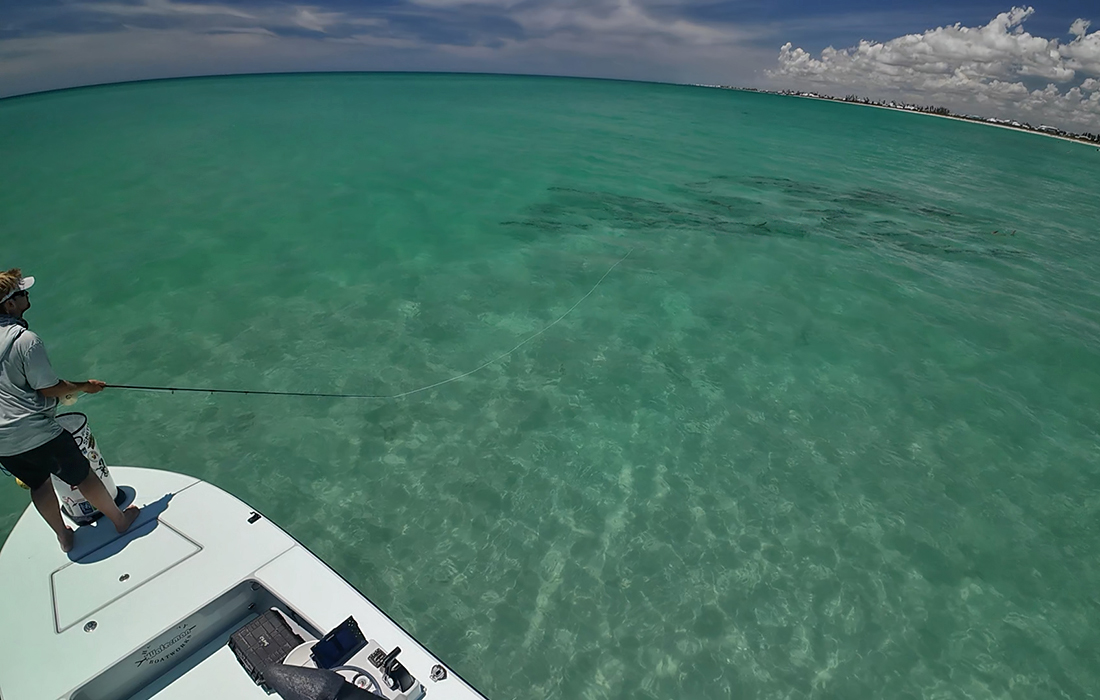
It takes a minute to explain that yes, we use fly rods in saltwater to target tarpon, snook, redfish, and trout throughout Southwest Florida. Then I have to explain that the flies we use are designed to imitate baitfish, shrimp, or small crabs instead of the dry flies people picture floating down a mountain stream.
Most people still do not completely understand it and usually follow up with one simple question:
Why
Those conversations can take a while. More often than not I end up pulling up a YouTube video on my phone, and then the lights start coming on.
Fly fishing is definitely not for everyone, and honestly that is part of what makes it special.
If you are reading this article though, you probably already understand the basics and maybe you are planning a fly fishing trip somewhere in Southwest Florida. I will admit I am biased, but Boca Grande and Placida are absolutely places worth adding to your list.
Not only is this area beautiful for a family vacation, it also offers some of the most unique shallow water fly fishing in Florida.
The Backcountry Around Boca Grande
One of the biggest mistakes visitors make is thinking Boca Grande fly fishing only means fishing the pass for tarpon.
The real magic often happens in the backcountry.
Gasparilla Sound and the surrounding estuaries are full of mangrove shorelines, shallow flats, oyster bars, hidden creeks, and protected water that create incredible opportunities for fly anglers.
Mornings in the backcountry can honestly feel surreal.
The water lays flat calm, birds begin moving overhead toward their feeding areas, and mullet schools start flipping across the surface as the first light hits the shoreline.
One morning a client of mine, a man in his fifties, stopped me while we were poling quietly through the sound just after sunrise. A flock of birds passed overhead and he said he had never heard so many wings flapping in perfectly still air before. The sound actually startled him.
That is the kind of place this is.
The wildlife becomes part of the experience. Dolphins, manatees, rays, sharks, osprey, pelicans, and wading birds are part of everyday life around the harbor and estuaries.
Even on slower fishing days, the environment itself can make the trip memorable.
DIY Fishing Around Boca Grande
If you are planning to fish on your own, there are a few things worth knowing ahead of time.
The Placida Boat Ramp
The Placida boat ramp gets busy, especially on weekends. If you are new to boating in the area, weekdays are usually much less stressful.
One thing visitors sometimes do not realize is that many guides are launching very early in the morning because they are trying to catch bait before their charters. The best thing you can do is simply stay patient and give people room at the ramp.
Also, if it is still dark outside, turn your headlights off while backing down the ramp. If your lights stay on, other boaters cannot see while backing their trailers. If you forget, somebody will definitely remind you.
There is also a second launch option nearby at Eldreds Marina-(941) 697-1431 which offers paid parking and launching. It is usually worth the small fee if the main ramp is crowded.
Kayak Launches
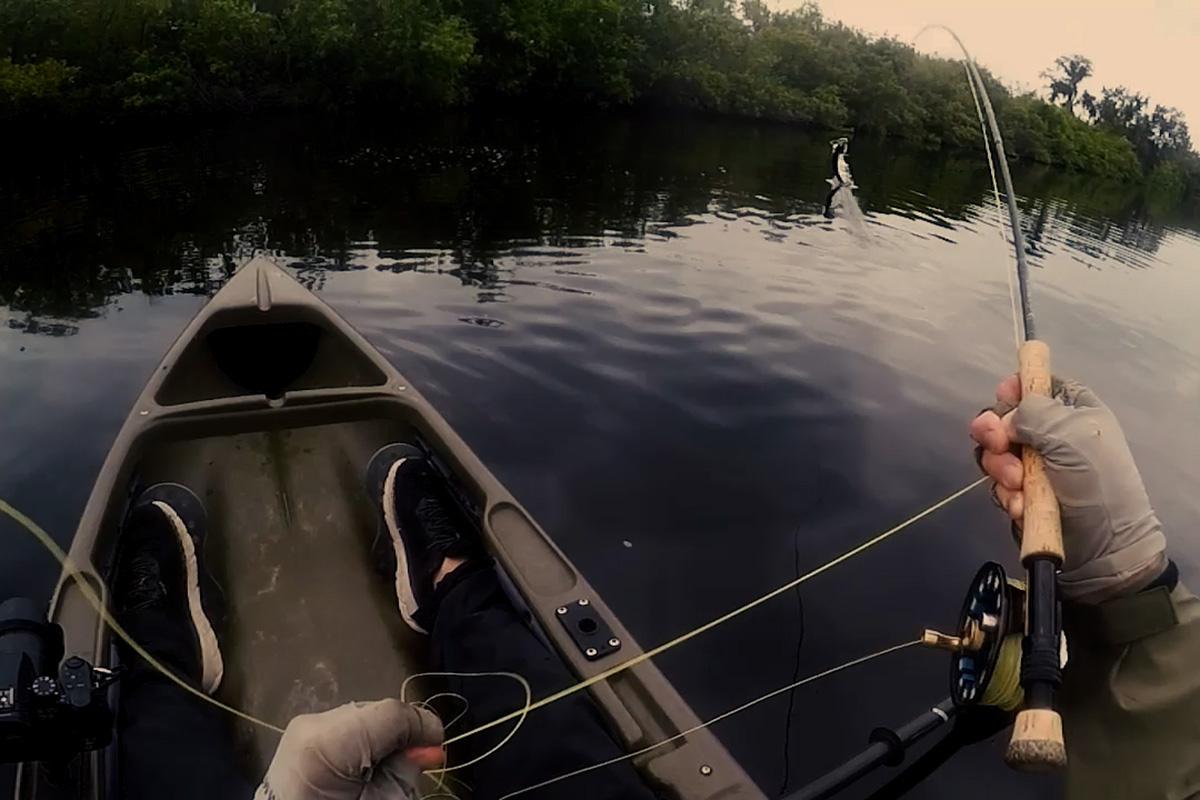
Kayak anglers also have several good launch options throughout the Boca Grande and Placida area, especially around the bridge and some of the smaller shoreline access points. There is Pier Rd. and 19th Street.
The Water Conditions
The waters throughout the area are shallow and can become tricky if you are unfamiliar with the backcountry.
There are oyster bars, shallow flats, and grass areas that require local knowledge to navigate safely. If you are renting a boat, avoid trying to run deep into the backcountry unless you are in a technical skiff and understand how to read shallow water.
Too many people take larger boats into sensitive areas and end up damaging seagrass while trying to get unstuck.
Charlotte Harbor and the surrounding estuaries are special because so much of the habitat still feels natural and untouched. Keeping it that way matters.
Summer Heat and Winter Fishing
Summer Fishing
July through October can be brutally hot.
Not normal hot. Real Southwest Florida hot. The kind of heat that makes you question your life choices by noon.
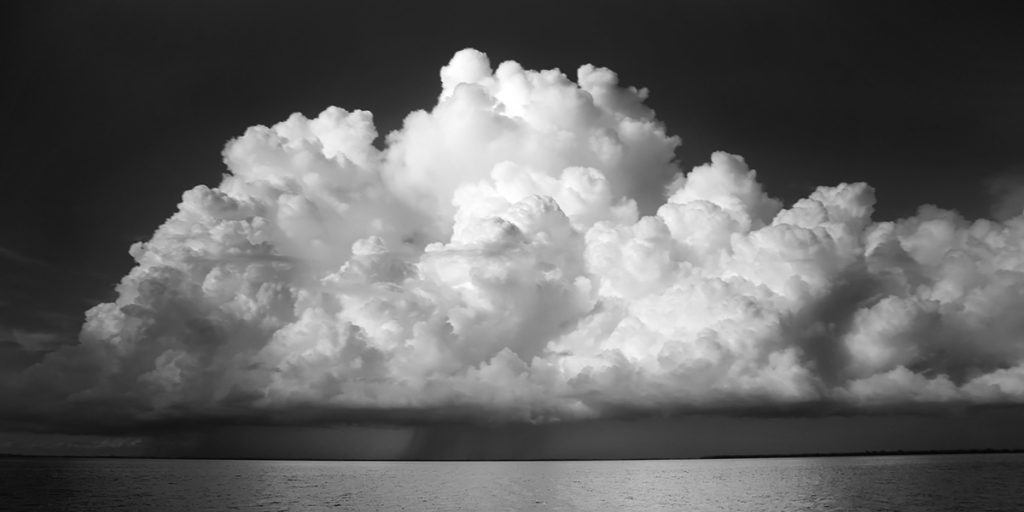
During summer, early mornings are everything. Most afternoons eventually turn into thunderstorms with lightning, heavy rain, and thick humidity rolling across the harbor almost like clockwork.
Winter Fishing
Winter fishing becomes more technical.
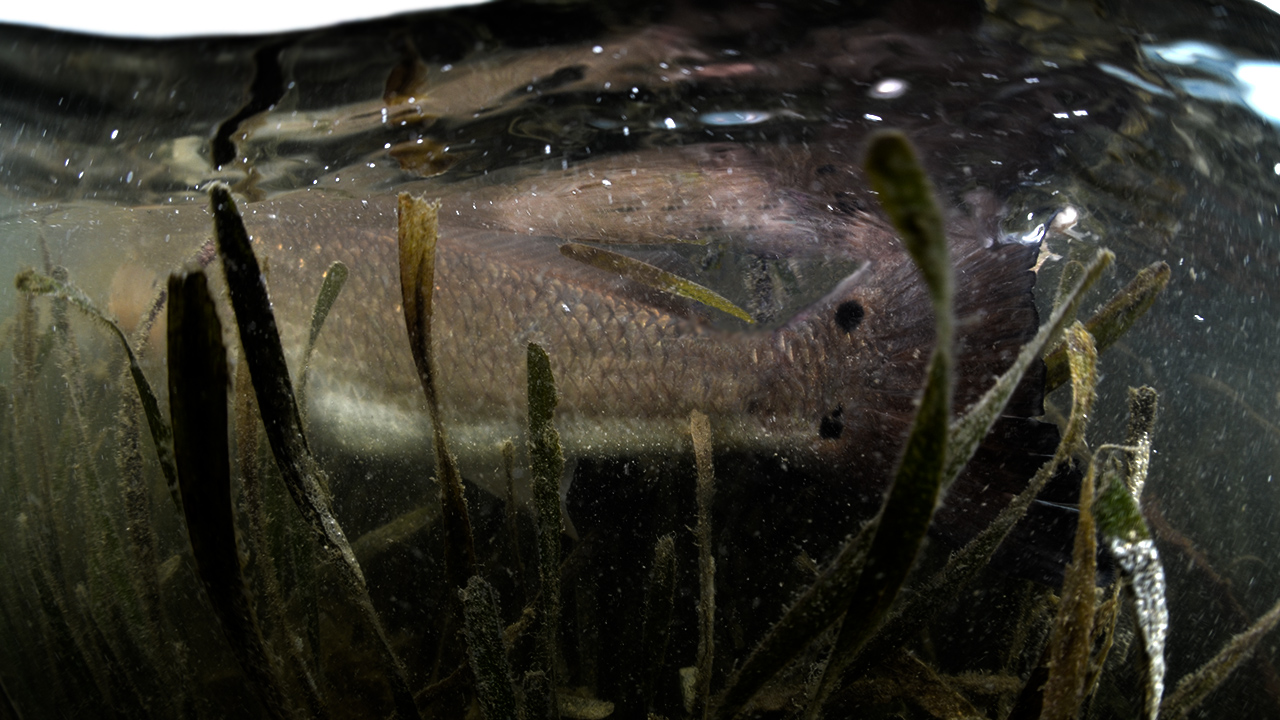
Negative tides expose grass flats, oyster bars, and muddy shorelines that may normally stay underwater. Wind can make fly fishing challenging, but winter also brings incredibly clear water and opportunities to sight fish redfish in shallow potholes and flooded grass.
Snook often push farther into warmer harbor water during colder periods, and tarpon become far less predictable, although they still exist in deeper canals and protected areas if you know where to look.
Some days during winter I will run my skiff as far as possible, then launch a kayak and continue even farther into protected water searching for warmer conditions and fish holding deep in the backcountry.
More Than Just Fishing
Boca Grande and Placida are more than just fishing destinations.
The beaches, sandbars, wildlife, boating, and slower pace of life are a huge part of what makes this area special for visitors and locals alike. If you bring the family head to the sandbar by the bridge and have a chill day to remember.
Whether you decide to hire a guide, fish on your own, paddle a kayak through the estuaries, or simply spend time around the harbor, there is something here that feels very different from much of modern Florida.
And honestly, I hope it stays that way.
If you are looking for a private Boca Grande fly fishing guide, Captain Steve Hall guides fly fishing trips for tarpon, snook, and redfish around Boca Grande, Placida, Gasparilla Sound, and Charlotte Harbor.