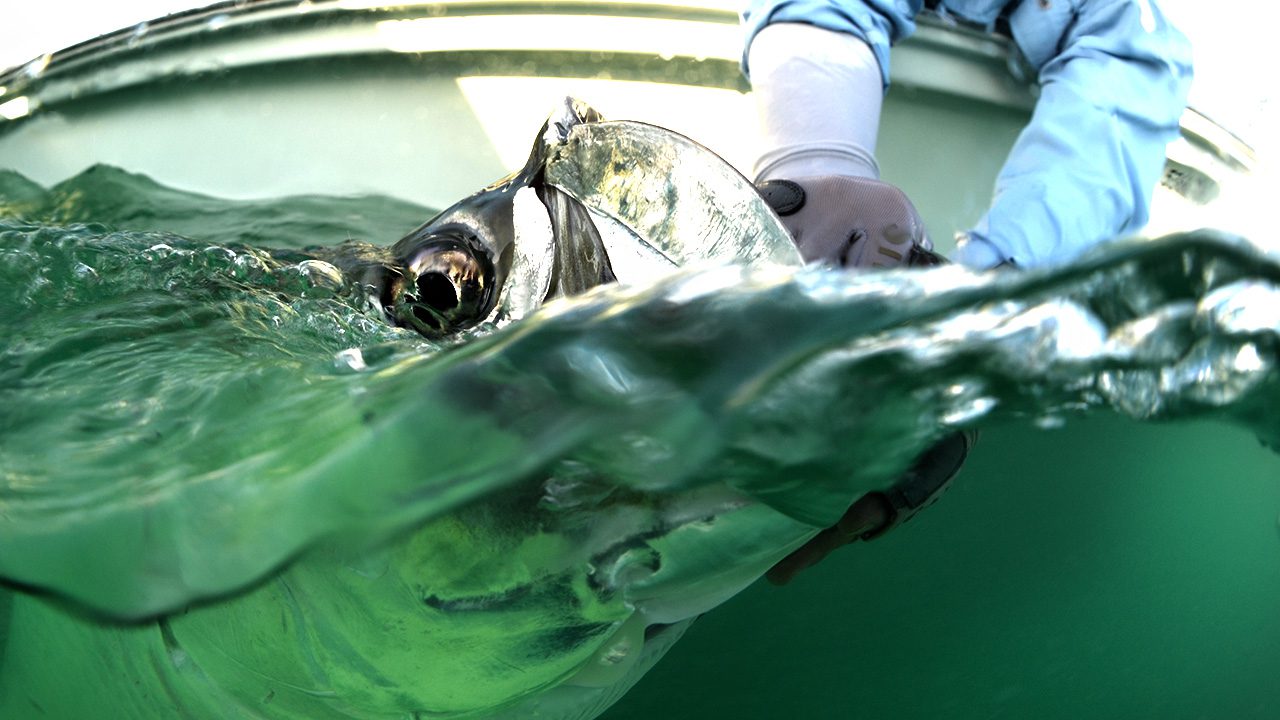
Boca Grande Fly Fishing Guide
Captain Steve Hall guides private fly fishing trips in Boca Grande, Charlotte Harbor, Placida, Gasparilla Island, and the surrounding backcountry waters of Southwest Florida. Trips are built around sight fishing for tarpon, snook, and redfish from a quiet technical poling skiff.
Boca Grande is one of Florida’s most unique places for shallow water fly fishing. Rolling tarpon along the beaches, snook tucked into mangrove shorelines, and redfish moving across clear flats all reward accurate casting, patient boat positioning, and local knowledge of tides, light, and seasonal fish movement.
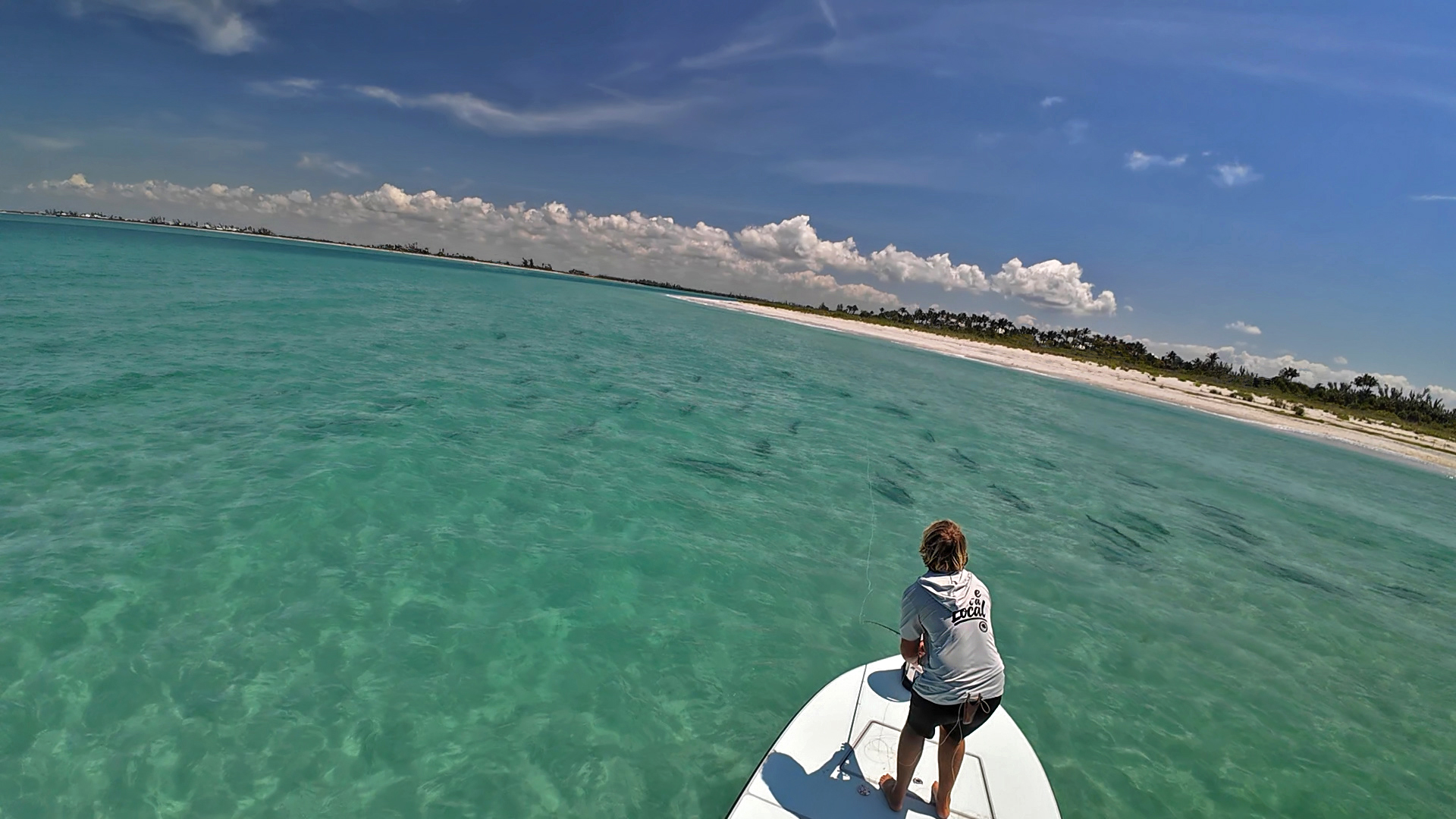
Private guided fly fishing trips in Boca Grande
These are private fly fishing trips for one or two anglers, not crowded group trips. Each day is planned around the current season, weather, tide stage, casting ability, and target species. The goal is to put anglers in position for real sight fishing opportunities while keeping the experience relaxed, honest, and focused.
Inshore Full Day Charter 1 or 2 Anglers $650.00 (7 Hours)
Inshore Half Day Charter 1 or 2 Anglers $475.00 (4 Hours)
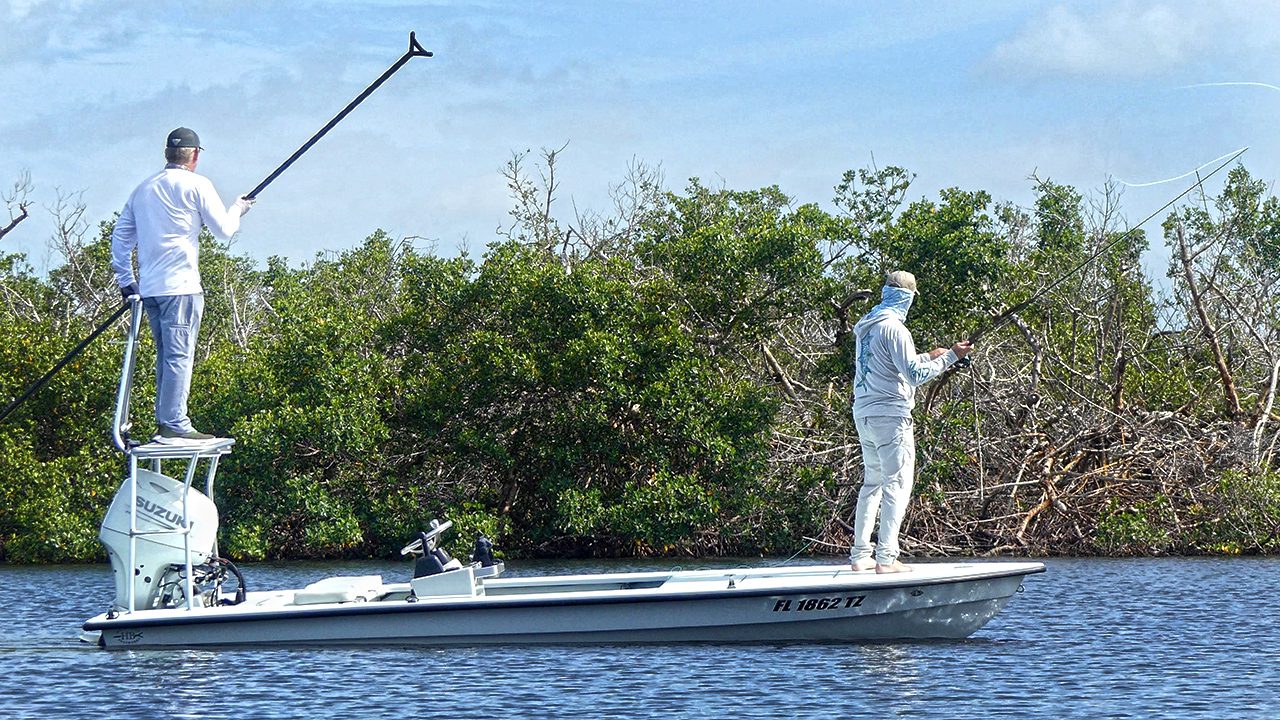
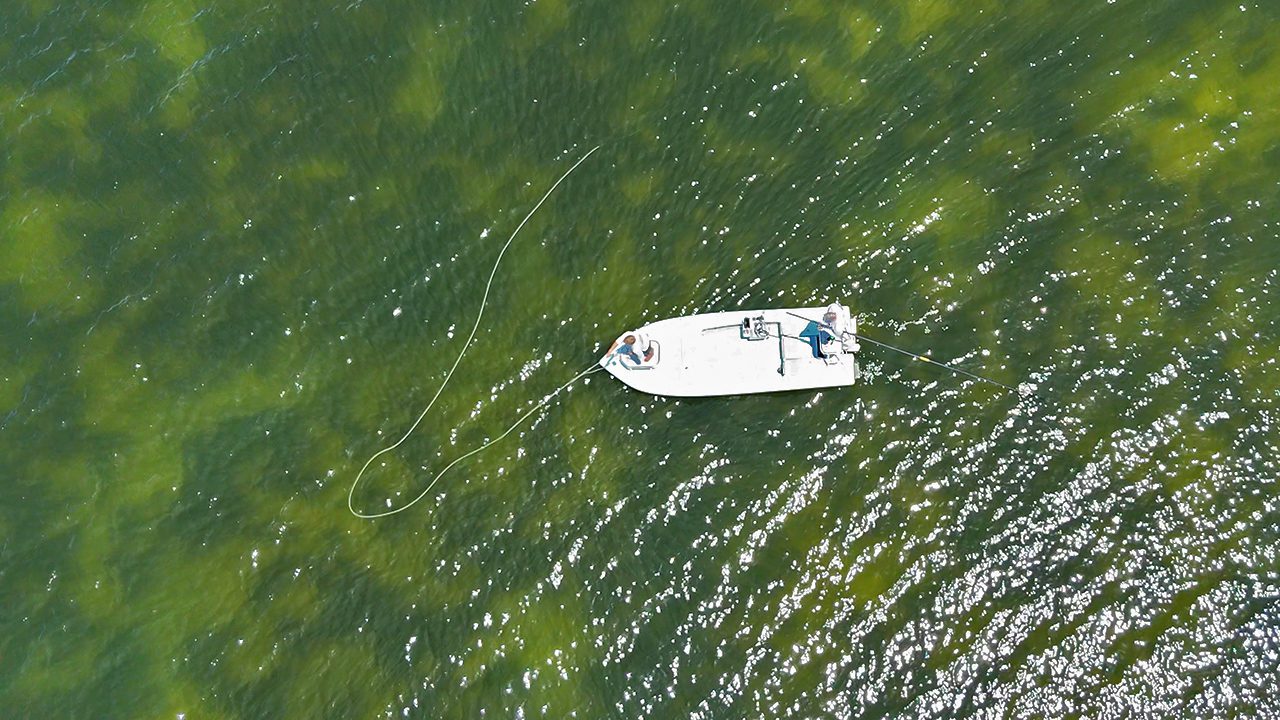
Captain Steve Hall fishes from a Hells Bay Waterman skiff, a shallow draft technical poling skiff designed for quiet movement in skinny water. That matters in Boca Grande and Charlotte Harbor, where fish can react quickly to wake pressure, noise, and poor boat angles.
Boca Grande Tarpon Fly Fishing
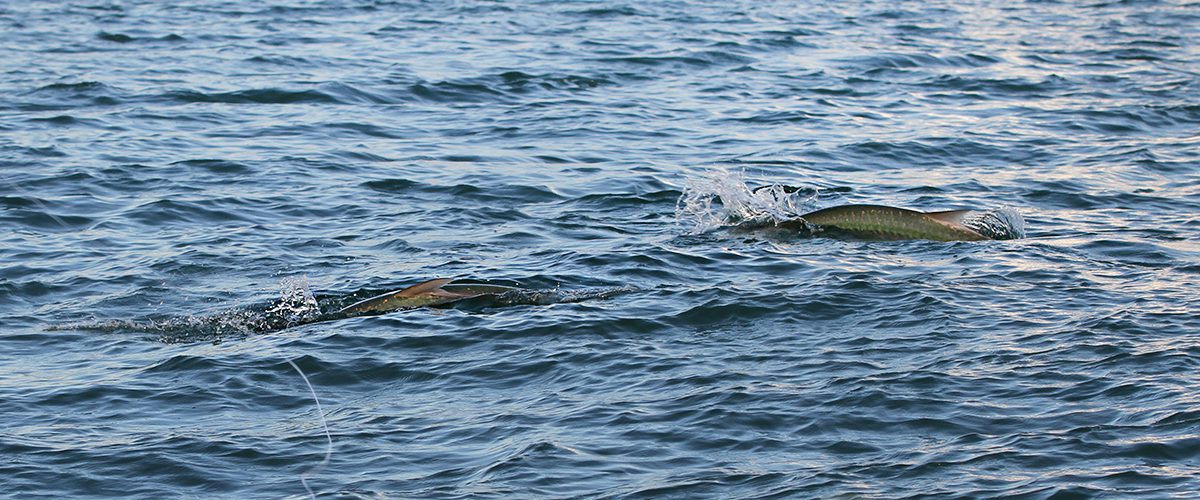
Boca Grande tarpon fly fishing is famous for good reason, especially during the migration that typically builds in spring and peaks from May into early summer. Fly fishing for tarpon is visual, demanding, and addictive: the boat position has to be right, the cast has to land clean, and the fly has to move naturally as the fish approaches.
Tarpon trips may focus on beach fish, harbor fish, or protected water depending on conditions. Some days are about shots at big migratory fish. Other days are about finding calmer water and better visibility. Good guiding is knowing when to push, when to wait, and when to change the plan.
Snook and Redfish on Fly
While tarpon drive much of the seasonal attention, Boca Grande and Charlotte Harbor also offer excellent fly fishing for snook and redfish. Snook often hold along mangrove edges, current seams, shoreline points, and protected backcountry water. Redfish may be found tailing on shallow flats, cruising shorelines, or feeding near oyster bars and grass edges.
For anglers who enjoy technical sight fishing, these species can be every bit as rewarding as tarpon. The pace is often more methodical, with the skiff moving quietly through water where casting accuracy and presentation make the difference.
Trips for Experienced and New Fly Anglers
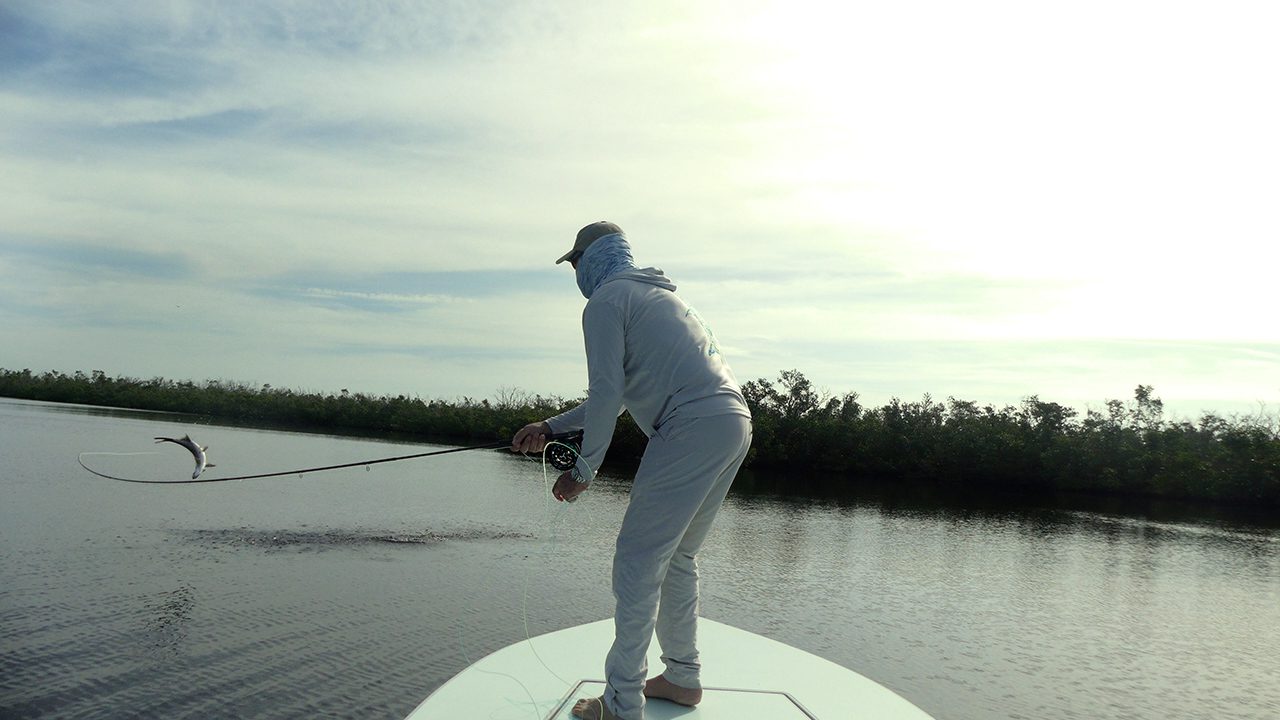
Experienced fly anglers can expect a technical sight fishing approach with attention to fish movement, boat angle, line management, and presentation. Newer fly anglers are welcome too. Instruction can include casting, clearing line, reading fish behavior, choosing flies, and fighting fish from a skiff.
Fly rods, reels, leaders, flies, tackle, and fishing licenses are included. Gear is matched to the target species and current conditions, whether the day calls for heavier tarpon tackle or lighter rods for snook and redfish.
Meet Captain Steve Hall
I grew up in Sarasota and am a retired Southwest Florida law enforcement officer. After years working undercover in narcotics and conducting drug interdiction with my K-9 partner, Bo, I felt called to slow down and reconnect with the rhythm of nature. Today, I share my love of Southwest Florida’s waters through private guided fly fishing trips. Learn more about Captain Steve Hall.
Service Area
Captain Steve guides the Boca Grande and Charlotte Harbor region, including Gasparilla Island, Placida, Little Gasparilla, Englewood, Cape Haze, and nearby backcountry waters when conditions are right. The exact plan is based on wind, tide, water clarity, season, and the kind of fishing you want to do.
Boca Grande Fly Fishing Rates
Private inshore fly fishing trips cost $475 for a half day (4 hours) or $650 for a full day (7 hours), for one or two anglers. Fly rods, reels, leaders, flies, tackle, and fishing licenses are included. Call 941-681-8518 to discuss dates, conditions, and your preferred trip.
What Anglers Say
“Steve hopped up on the poling platform and I took my station on the casting deck. He put me on fish like a pro, spotted cruising reds and snook, and guided me to multiple chases and great takes in super skinny water.”
John H.Business Owner
“I have fished with Captain Steve Hall for many years. As a fly fishing guide, he knows where the fish should be and where they are. He is always calm and professional, guiding me to snook, redfish, and tarpon on fly.”
Dr. Howard SaslowPhysician
“Steve Hall is an amazing fisherman and teacher. His patience and skill were evident from our first day. I have fished in Florida for almost 50 years and never met anyone I would rather fish with.”
Zach NorsworthyCOL. (R), US Army Special Forces
Book a Boca Grande Fly Fishing Trip
To talk about current conditions, timing, target species, and trip planning, call Captain Steve Hall at 941-681-8518. Planning a shallow water fly fishing trip to Boca Grande or Charlotte Harbor? A quick conversation is the best way to discuss availability, your experience, and the fishing you enjoy. Give me a call. Let’s go!
Frequently Asked Questions
When is the best time to fly fish Boca Grande?
Tarpon fishing is usually strongest from spring into early summer, with May and June often being prime months. Snook and redfish can provide good opportunities through much of the year depending on weather, tides, water clarity, and seasonal patterns.
Do I need to bring fly fishing gear?
No. Fly rods, reels, leaders, flies, tackle, and fishing licenses are included. You are welcome to bring your own gear if you prefer.
Can beginners book a fly fishing trip?
Yes. Trips can include instruction on casting, line management, fly presentation, and fighting fish from a skiff. Experienced anglers can focus more heavily on technical sight fishing.
What fish can we target on fly?
Common fly fishing targets around Boca Grande and Charlotte Harbor include tarpon, snook, redfish, and occasionally other inshore species depending on season and conditions.
Where do Boca Grande fly fishing trips take place?
Trips may fish Boca Grande, Gasparilla Island, Placida, Charlotte Harbor, Cape Haze, Englewood, and nearby backcountry waters. The exact plan depends on conditions and the target species.
More Boca Grande and Charlotte Harbor Fly Fishing
Learn more about Boca Grande tarpon fly fishing, Charlotte Harbor fly fishing, redfish on fly, why Boca Grande is good for fly fishing, and the Hells Bay Waterman skiff used for shallow water sight fishing.