Charlotte Harbor Fly Fishing Guide — Captain Steve Hall
I’m Captain Steve Hall, a licensed and insured fly fishing guide offering private trips in Charlotte Harbor, Boca Grande, Placida, and nearby Southwest Florida backcountry waters. I guide one or two anglers from a Hell’s Bay Waterman skiff, with trips focused on tarpon, snook, and redfish. Beginners and experienced fly anglers are welcome.
Half-day inshore trips are $475 for four hours. Full-day inshore trips are $650 for seven hours. Fly rods, reels, leaders, flies, tackle, and fishing licenses are included. Call 941-681-8518 to discuss dates, target species, and current conditions.
What to Expect on Your Trip
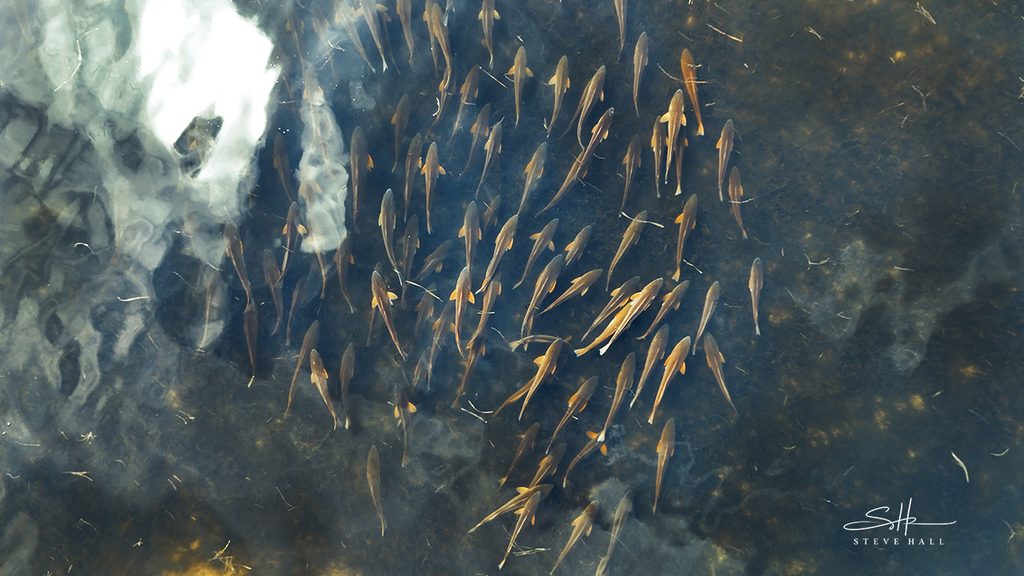
Each trip is planned around the weather, tide, water clarity, season, and your experience. We may fish shallow flats, mangrove shorelines, grass edges, or protected backcountry water. The plan can change when conditions change; the aim is to put you in position for a good presentation.
My approach centers on quiet boat positioning and sight fishing when visibility allows. The Waterman skiff lets me pole through shallow water while you watch for fish from the casting deck. For newer fly anglers, instruction can include casting, managing loose line, presenting the fly, and fighting fish from a skiff.
Fish We Target in Charlotte Harbor
Tarpon, snook, and redfish are the main focus of my fly fishing trips. Other inshore species may provide opportunities along the way. Tell me what you would like to catch when we discuss your trip, and we can talk about what is realistic for your dates.
Tarpon on Fly
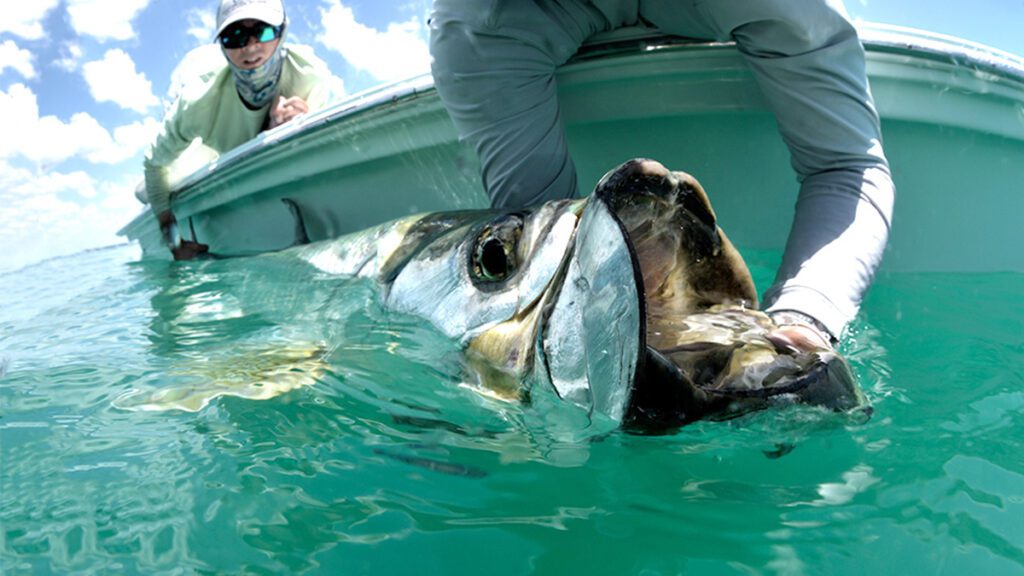
Spring and early summer are the main seasons for migratory tarpon around Boca Grande and Charlotte Harbor. May and June are often prime months, although weather and fish movement affect each day. Tarpon fishing calls for patient boat positioning, a controlled cast, and careful fly presentation. Read more about Boca Grande tarpon fly fishing and juvenile tarpon fishing.
Snook on Fly
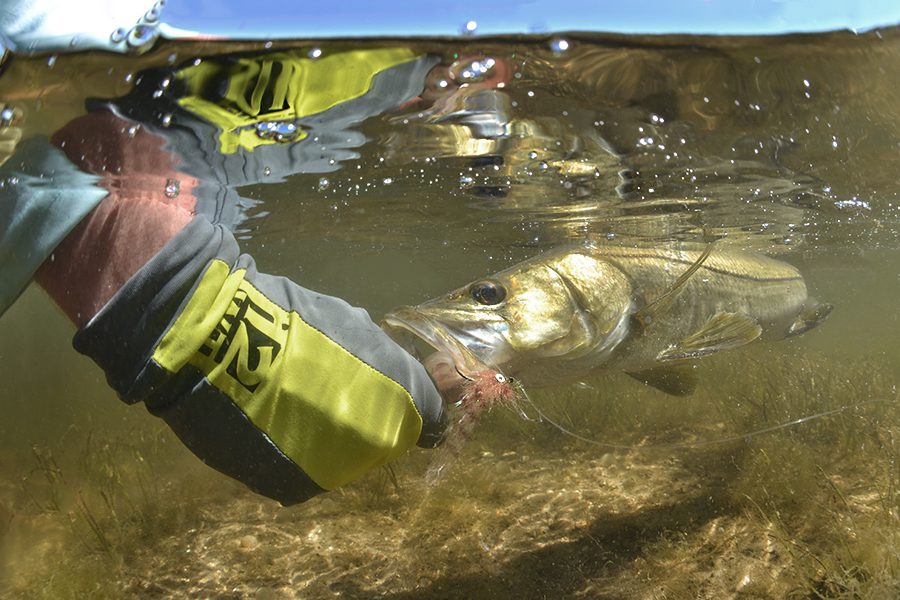
Snook fishing often involves mangrove edges, shoreline points, and moving water. An accurate cast near cover can matter more than a long cast. Boat angle and line management help you present the fly and stay ready when a fish eats. Conditions determine which shorelines and backcountry areas we fish.
Redfish on Fly
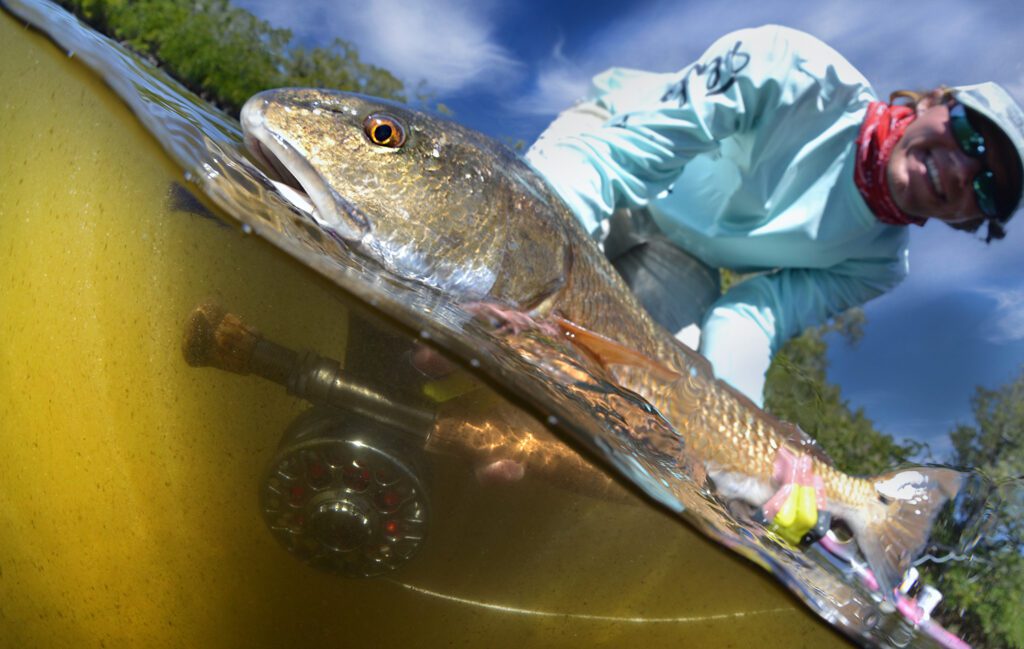
Redfish may feed along grass flats, oyster edges, and shallow shorelines. When the light and water clarity cooperate, we can look for tailing or cruising fish and work into casting position quietly. Learn more about fly fishing for redfish in Charlotte Harbor.
Choosing Your Fishing Dates
Charlotte Harbor offers fly fishing opportunities throughout the year, but the best trip depends on the species you want to target and the conditions we have. Spring into early summer is the main window for migratory tarpon. Snook and redfish provide opportunities through much of the year, with weather, tides, and water temperature influencing the plan.
Summer heat and thunderstorms can affect timing. Winter fronts can change wind, water temperature, and visibility. Call before booking if you have a particular fish or style of fishing in mind so we can discuss suitable dates and expectations.
Fly Fishing Gear and Instruction
I provide equipment matched to the target species and conditions, including heavier tackle for larger tarpon and lighter setups for snook and redfish. You are welcome to bring your own gear. We can discuss rods, lines, and flies before your trip.
I prefer TFO reels for their simple, effective design. The TFO NTR fly reel is the reel I use most often with my 8-weight setup. Tackle choice depends on the fish we are targeting.
Charlotte Harbor Fly Fishing Questions
How much does a guided trip cost?
Private inshore trips cost $475 for four hours or $650 for seven hours, for one or two anglers. Equipment and fishing licenses are included. Call to discuss the trip you want and confirm availability.
Can beginners book a trip?
Yes. I welcome newer fly anglers and can help with casting, line management, fly presentation, and fighting fish. Let me know your experience when you call so we can plan a suitable day.
Do I need to bring equipment or buy a fishing license?
Fly rods, reels, leaders, flies, tackle, and fishing licenses are included. You can bring your own equipment if you prefer.
Where will we fish?
Trips fish Charlotte Harbor, Boca Grande, Placida, and nearby backcountry waters as conditions allow. The specific area depends on wind, tide, visibility, season, and target species. We will discuss meeting arrangements when planning your trip.
Book Your Charlotte Harbor Fly Fishing Trip
Call Captain Steve Hall at 941-681-8518 to discuss dates and availability. Tell me about your fly fishing experience, the species you would like to target, and whether you prefer a half-day or full-day trip.
Learn more about Captain Steve Hall, see the Hell’s Bay Waterman skiff, or visit the Boca Grande and Charlotte Harbor fly fishing homepage.